
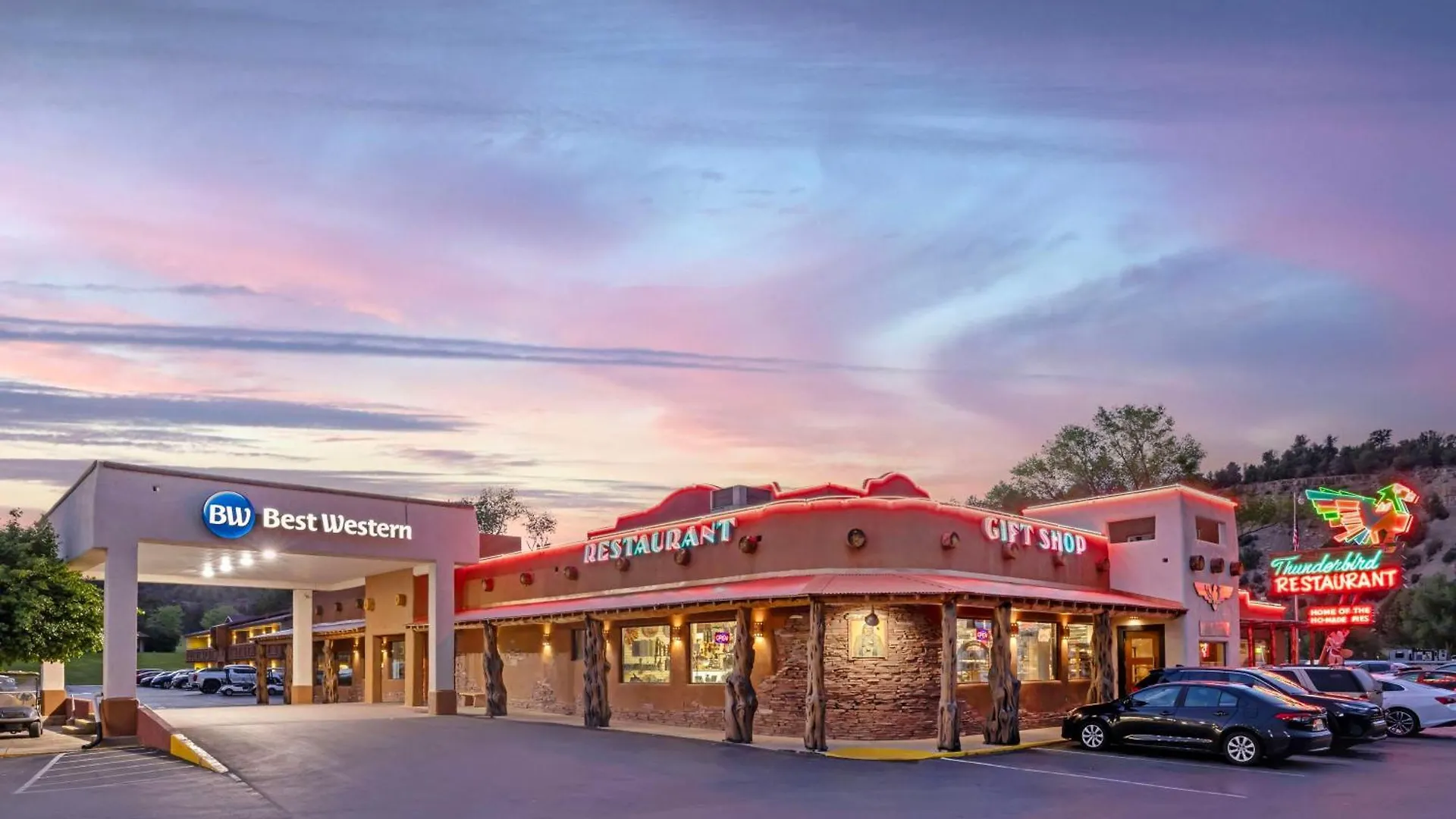
Utah's landscape spans from the red rock canyons of Zion National Park to the mountain valleys near Park City, making where you stay a genuine strategic decision. Best Western hotels in Utah are distributed across key travel corridors - from Zion's east entrance to northern Utah near Logan - offering reliable mid-range accommodation without the resort pricing common at gateway lodges. Whether you're road-tripping through canyon country or using Utah as a base for national park access, these five properties cover the state's most traveled routes.
What It's Like Staying in Utah
Utah is defined by its five national parks - Zion, Bryce Canyon, Arches, Canyonlands, and Capitol Reef - plus a highway network that connects them efficiently for self-drive travelers. Most visitors rent a car, as public transport between parks is essentially nonexistent outside of seasonal shuttle systems inside Zion. Crowd density peaks sharply between April and October, particularly at Zion and Bryce, where timed entry permits are increasingly required for popular trails.
Staying in Utah rewards those who plan their base locations ahead of arrival, particularly along Highway 9 near Zion and I-15 through central Utah. Travelers who prefer walkable urban environments or nightlife-heavy areas will find Utah's gateway towns modest and quiet after dark.
Pros:
- Direct access to five national parks within a single road trip loop
- Hotels along I-15 and Highway 9 provide strategic positioning for multi-park itineraries
- Lower hotel prices compared to California or Colorado gateway towns at similar park distances
Cons:
- Minimal public transport between towns and parks - a car is mandatory
- Gateway towns near parks have limited dining and entertainment after 9 PM
- Peak season (May-September) drives up rates and reduces availability fast
Why Choose Best Western Hotels in Utah
Best Western properties in Utah sit firmly in the 3-star mid-range segment, offering standardized amenities - pools, free WiFi, breakfast options, free parking - that independent motels in the same price bracket rarely match consistently. Free parking and breakfast are particularly valuable in Utah, where driving distances between attractions regularly exceed 100 kilometers and early starts for trailheads are standard. Compared to boutique lodges near Zion or Park City, Best Western hotels typically come in around 30% lower on nightly rates while maintaining predictable quality standards.
Room sizes at these properties are functional rather than spacious - expect standard queen or king layouts with desks and fridges, suitable for two adults with luggage but not for families expecting suite-style space. The trade-off is reliability: consistent check-in processes, disability access, and loyalty points through the Best Western Rewards program.
Pros:
- Free parking at all five Utah properties - critical for road-trip itineraries
- Breakfast included at most locations, cutting daily costs on long park-hopping trips
- Indoor or outdoor pools at every property, useful after full days of hiking
Cons:
- Room sizes are functional, not spacious - limited comfort for groups of 3 or more
- Properties in smaller towns like Duchesne and Coalville have fewer nearby dining alternatives
- Front desk hours are limited at some locations, which can complicate late arrivals
Practical Booking & Area Strategy for Utah
Utah's most visited corridor runs from St. George in the south through Zion (Highway 9), north along I-15 toward Salt Lake City, then east toward Park City and the Uinta Basin. Booking near Zion's east entrance - as with the Thunderbird Lodge in Mt. Carmel Junction - gives direct access to the park without navigating the congested Springdale west entrance, which sees the majority of the park's around 4.5 million annual visitors. For travelers targeting northern Utah or passing through to Wyoming, Logan and Coalville are well-positioned along I-15 and US-89, with Ogden-Hinckley Airport accessible within 75 kilometers of both.
Central Utah towns like Richfield on I-15 are underrated overnight stops for travelers driving the full length of the state - positioned roughly halfway between Las Vegas and Salt Lake City. Book at least 6 weeks ahead for any stay between late May and early September, particularly near Zion, where availability at mid-range hotels collapses quickly. The Uinta Basin's Duchesne location suits travelers heading to Dinosaur National Monument or Ashley National Forest, areas with far less crowd pressure than the southern parks.
Best Value Stays
These properties deliver strong practical value for road-trippers and park visitors prioritizing location access, included amenities, and reliable facilities at a mid-range price point across Utah's key travel routes.
-
1. Best Western East Zion Thunderbird Lodge
Show on map


 Check-infrom 16:00 until 22:00Check-outuntil 11:00
Just a few rooms left at the best rate!
fromUS$ 125
-
2. Best Western Richfield Inn
Show on map


 Check-infrom 14:00 until 23:59Check-outuntil 11:00
Just a few rooms left at the best rate!
fromUS$ 91
-
3. Baugh Motel, Surestay Collection By Best Western
Show on map


 Check-infrom 16:00 until 23:59Check-outuntil 11:00
Hurry – almost gone at this price!
fromUS$ 85
Best Premium Options
These two properties offer expanded wellness facilities - including spa centers and fitness centers - suited to travelers prioritizing recovery amenities or staying multiple nights in less-trafficked areas of Utah.
-
4. Best Western Holiday Hills
Show on map


 Check-infrom 15:00 until 23:59Check-outuntil 11:00
Hurry – almost gone at this price!
fromUS$ 90
-
5. Best Western Duchesne Inn
Show on map


 Check-infrom 15:00 until 23:59Check-outfrom 06:00 until 11:00
Rooms filling fast – secure the best rate!
fromUS$ 84
Smart Travel & Timing Advice for Utah
Utah's peak season runs from late March through October, with the highest demand concentrated in May, June, and September when temperatures across the canyon country are most manageable for hiking. July and August bring extreme heat in southern Utah - temperatures in Zion regularly exceed 40°C at canyon floor level - which drives some visitors north toward Park City and Logan where conditions are cooler. Hotel rates near Zion and Bryce Canyon spike by around 50% during Memorial Day and Labor Day weekends, and properties within 30 km of park entrances often sell out weeks in advance.
For central and northern Utah locations - Richfield, Coalville, Duchesne - availability pressure is lighter, and last-minute bookings are more realistic outside July and August. Three to five nights is the practical minimum for a southern Utah parks loop covering Zion, Bryce, and Capitol Reef by car. Winter travel (November through February) offers dramatically lower rates and uncrowded trails at elevation, though Zion's Narrows and Angel's Landing may require permits or crampons in icy conditions. Booking directly through Best Western Rewards can yield better cancellation flexibility during shoulder season.


